Introduction: Why Color Choice Can Change Your Entire Look
Have you ever worn an outfit and felt instantly confident without knowing why?
And on some days, even good clothes don’t seem to work?
The difference is often color.
Color is one of the most powerful tools in fashion. The right color can:
Make your skin look brighter and healthier
Hide dullness and tiredness
Enhance your natural features
Make simple outfits look expensive
The wrong color can:
Make your face look dull or dark
Highlight dark circles or uneven skin
Reduce the impact of your outfit
The good news is—you don’t need fashion education or a big budget.
You only need to understand your skin tone and how colors work with it.
In this blog, you will learn:
What skin tone really means
How to identify your skin tone easily
Best clothing colors for each skin tone
Colors to avoid
How to mix and match colors
Seasonal and occasion-based color tips
Common mistakes people make
How the right colors boost confidence
Everything is explained in simple and clear language so anyone can follow it.
Part 1: Skin Tone vs Skin Color (Most People Get This Wrong)
Skin Color Is Not Skin Tone
Many people think:
Fair skin
Medium skin
Dark skin
This is skin color, not skin tone.
Skin color can change with sun exposure, tanning, or weather
Skin tone (undertone) stays the same throughout life
Skin tone is the natural shade beneath your skin.
The Three Main Skin Tones (Easy Explanation)
1. Warm Skin Tone
If your skin has:
Yellow
Golden
Peach
undertones, you have a warm skin tone.
People with warm skin tones often look healthier in warm shades.
2. Cool Skin Tone
If your skin has:
Pink
Red
Bluish
undertones, you have a cool skin tone.
Cool tones look great in cooler, deeper colors.
3. Neutral Skin Tone
If your skin has:
A mix of warm and cool undertones
You have a neutral skin tone.
Neutral skin tones are flexible and suit many colors.
Part 2: How to Identify Your Skin Tone at Home
You don’t need a professional stylist. Try these simple tests.
1. Vein Test
Look at the veins on your wrist in natural light:
Greenish veins → Warm skin tone
Blue or purple veins → Cool skin tone
Both colors → Neutral skin tone
2. Jewelry Test
Gold jewelry looks better → Warm tone
Silver jewelry looks better → Cool tone
Both look good → Neutral tone
3. White vs Cream Test
Hold a white cloth and a cream cloth near your face:
Cream looks better → Warm tone
Pure white looks better → Cool tone
Both suit → Neutral tone
Use at least two tests for better accuracy.
Part 3: Best Clothing Colors for Warm Skin Tone
Warm skin tones look best in earthy, golden, and natural shades.
Best Colors for Warm Skin Tone
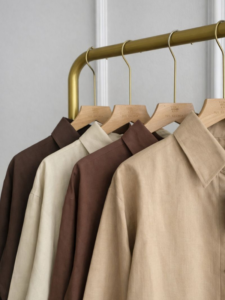
Beige
Cream
Camel
Tan
Mustard
Olive green
Rust
Brown
Coral
Peach
Warm red
These colors:
Match your undertone
Make skin glow naturally
Look balanced and soft
Why These Colors Work
Warm colors reflect warmth back to your skin, making you look:
Healthy
Fresh
Naturally stylish
Colors to Avoid or Use Carefully
Icy blue
Cool grey
Neon colors
Very bright white
These colors can make warm skin look dull or yellowish.
Part 4: Best Clothing Colors for Cool Skin Tone
Cool skin tones look amazing in cool, rich, and jewel shades.
Best Colors for Cool Skin Tone
Navy blue
Royal blue
Emerald green
Teal
Burgundy
Wine
Purple
Magenta
Cool pink
Grey
Black
Pure white
These colors:
Highlight cool undertones
Make skin look clean and sharp
Add elegance
Colors to Avoid or Limit
Orange
Yellow
Mustard
Rust
Warm brown
They clash with cool undertones and reduce brightness.
Part 5: Best Clothing Colors for Neutral Skin Tone
Neutral skin tone people are lucky because most colors suit them.
Best Colors for Neutral Skin Tone
Pastels
Earth tones
Jewel tones
Soft neutrals
Both warm and cool colors work well if balanced.
Tip for Neutral Skin Tone
Avoid:
Very neon shades
Extremely dull or muddy colors
Soft and balanced shades look best.
Part 6: Choosing Colors Based on Skin Depth
(Light, Medium, Dark Skin)
Skin depth also affects how colors appear.
Light Skin
Best colors:
Navy blue
Soft pink
Lavender
Light grey
Soft pastels
Avoid:
Very pale beige (can wash you out)
Medium Skin
Best colors:
Olive green
Teal
Burgundy
Mustard
Cream
Avoid:
Dull browns similar to skin tone
Dark Skin
Best colors:
Bright white
Bold red
Yellow
Emerald green
Cobalt blue
Orange
Avoid:
Very dark brown
Muddy grey
Bold colors look stunning on dark skin.
Part 7: How to Combine Colors the Right Way
Choosing the right color combination is very important.
Safe Color Combinations That Always Work
White + Navy
Black + Grey
Beige + Brown
Blue + White
Olive + Cream
These combinations suit almost all skin tones.
How to Use Contrast Correctly
Warm skin → warm contrast
Cool skin → cool contrast
Avoid wearing too many bright colors together.
Part 8: Seasonal Color Dressing Tips
Summer Season
Light colors
Soft shades
Whites, pastels, light blues
These reflect heat and look fresh.
Winter Season
Deep colors
Dark blues, greens
Rich tones like burgundy
These add warmth and depth.
Monsoon / All-Season
Medium tones
Neutral colors
Easy-to-maintain shades
Part 9: Accessories and Color Balance
Accessories play a supporting role.
Smart Accessory Tips
Match belt and shoes
Keep accessories neutral
Avoid mixing too many colors
If outfit is colorful, keep accessories simple.
Part 10: Color Psychology (Simple Understanding)
Colors also affect how people see you.
Blue → Trust, calm, confidence
Black → Power, elegance
White → Clean, fresh, simple
Red → Energy, confidence
Green → Balance, calm
Yellow → Positivity, joy
Choose colors based on mood and occasion.
Part 11: Common Color Mistakes People Make
Following trends without checking skin tone
Wearing wrong shade of white
Using too many bright colors
Wearing black every day
Ignoring undertone completely
Simple and balanced colors always look better.
Part 12: How the Right Colors Improve Confidence
When you wear the right colors:
Your face looks brighter
You feel comfortable
You stop adjusting clothes
People notice you positively
Confidence comes naturally when colors suit you.
Part 13: How to Shop Smartly Using Color Knowledge
Before buying clothes, ask:
Does this color suit my skin tone?
Will it work with my existing wardrobe?
Can I wear it in multiple situations?
This reduces waste and saves money.
Part 14: How Lighting Affects Color on Your Skin
Many people don’t realize this, but lighting changes how colors look on your skin.
The same outfit can look:
Amazing in daylight
Average under yellow lights
Dull in poor lighting
Natural Light vs Artificial Light
Natural daylight
Shows the true color of your outfit
Best for checking if a color suits you
Yellow or warm lights
Enhance warm colors
Can make cool colors look dull
White or LED lights
Enhance cool tones
Can wash out warm shades
Smart Tip
Always try new clothes:
Near a window
Or under neutral lighting
This helps you judge colors correctly before buying.
Part 15: Choosing Colors for Different Occasions
Not every color works for every situation.
Even if a color suits your skin tone, the occasion also matters.
Office & Professional Wear
Best colors:
Navy blue
Grey
White
Light blue
Beige
Why?
These colors look professional
They don’t distract
They suit most skin tones
Avoid:
Very bright colors
Neon shades
Loud prints
Casual & Daily Wear
Best colors:
Olive
Pastels
Soft neutrals
Denim blues
Earth tones
Casual wear gives more freedom, but balance is important.
Party & Special Events
Best colors:
Red
Emerald green
Royal blue
Black (balanced properly)
Metallic accents
Choose bold colors that:
Match your skin tone
Stand out without overpowering
Part 16: How Makeup and Grooming Affect Color Choice
Your grooming can change how colors look on you.
For Men
Beard color affects how warm or cool tones appear
Clean grooming makes colors look sharper
Messy grooming makes even good colors look dull
For Women
Makeup can balance or clash with outfit colors
Warm makeup + warm outfit = harmony
Cool makeup + cool outfit = balance
Simple Rule
Try to keep:
Outfit color
Makeup or grooming tone
in the same family (warm or cool).
Part 17: How Fabric Texture Changes Color Appearance
Color is not just about shade — fabric texture matters a lot.
Matte Fabrics
Examples:
Cotton
Linen
Wool
They:
Look soft
Suit most skin tones
Are safe for daily wear
Shiny or Glossy Fabrics
Examples:
Satin
Silk
Polyester shine
They:
Reflect light
Make colors appear brighter
Can highlight skin imperfections
Tip
If a bright color feels “too much,” choose it in a matte fabric.
Part 18: How Age Affects Color Choices (Without Rules)
As people grow older, their skin tone stays the same, but:
Skin texture changes
Hair color changes
Contrast reduces
Younger Age
Can experiment more
Brighter colors work well
Mature Age
Softer shades look better
Extremely bright colors may look harsh
This is not a restriction—just a styling suggestion.
Part 19: How to Build a Color-Friendly Wardrobe Step by Step
Instead of buying random colors, follow this method.
Step 1: Start With Neutrals
Choose 5–6 neutral colors that suit your skin tone:
White / Cream
Navy
Grey
Beige
Black (if it suits you)
Step 2: Add Skin-Tone-Friendly Colors
Add 4–5 colors that:
Complement your skin tone
Match your neutrals
Step 3: Add 1–2 Statement Colors
These are:
Bold colors
Special occasion colors
Confidence boosters
This method keeps your wardrobe:
Versatile
Easy to style
Cost-effective
Part 20: Shopping Checklist – Color Edition (Very Important)
Before buying any clothing item, ask yourself:
Does this color suit my skin tone?
Does it work with my existing clothes?
Can I wear it in more than one season?
Does it look good near my face?
Does it match my lifestyle?
If the answer is yes to most questions, buy it.
Final Thoughts: Let Color Work for You, Not Against You
You don’t need:
Expensive brands
A huge wardrobe
You need:
Awareness of your skin tone
Smart color choices
When you wear the right colors:
You look better effortlessly
You feel confident naturally
Your style becomes consistent
The right color doesn’t just change your outfit—it changes how you feel in it.