Part 1: The Pre-Wash Protocol (The 5 Golden Rules)
The single best way to make clothes last is to minimize their exposure to the harsh friction of the wash and the intense heat of the dry cycles. The secret to long life is often doing nothing at all.
1. Wash Less: The First Commandment of Clothes Care
Every wash cycle breaks down fabric fibers. By extending the time between washes, you drastically extend the life of your garments and save water and energy.
Outerwear (Jackets/Coats): Treat these as you would fine furniture. Spot-clean minor marks with a damp cloth. Wash 1-2 times per season, or only when absolutely necessary.
Denim/Jeans: Aim for every 5 to 10 wears. To freshen them up, hang them outdoors for aeration. Some enthusiasts even freeze them to kill odor-causing bacteria (though a gentle air-out often suffices).
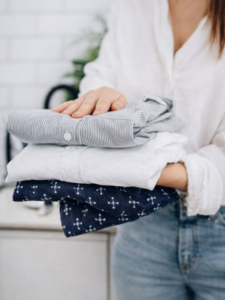
Sweaters/Knitwear: Wash every 3–5 wears. Natural fibers like wool are naturally anti-microbial. Simply fold them neatly and store them in a drawer, allowing them to rest and breathe between uses.
Pants/Skirts: Wash every 2–4 wears, depending on wear time and climate.
Essential Exceptions: Underwear, socks, and activewear must always be washed after every use for hygiene.
2. Read the Care Label: Your Garment’s Life Script
That tiny sewn-in tag isn’t decoration—it’s the item’s custom instruction manual. Ignoring it is the quickest way to end up with a shrunken sweater or a faded top.
Understand the Symbols: Pay close attention to the tub symbol (washing temperature) and the square symbol (drying method). Always adhere to the lowest temperature indicated.
“Dry Clean Only” Nuance: Many items labeled “Dry Clean Only,” such as simple wool knits or linen, can be successfully hand-washed at home. However, if the item is heavily structured (like a blazer) or uses complex, delicate fabrics (like rayon), it’s best to stick to professional care.
3. Prepare for Battle: Flip It, Zip It, and Bag It!
This small, 30-second prep step saves years of wear and tear.
Flip Inside Out: Always turn dark colors, printed tees, and denim inside out. This protects the outer surface from the constant abrasion of rubbing against other clothes in the drum, preventing color fading, surface pilling, and cracking graphics.
Fasten All Closures: Zip up all zippers and fasten all hooks. A loose zipper or hook can snag and tear other garments in the load. Also, unbutton all buttons to prevent stress on the buttonholes.
Mesh Laundry Bags are Essential Armor: Treat these as protection for your investment pieces. Place all delicates (bras, lace, silk, hosiery, sweaters, and fine knits) inside a mesh bag. This prevents stretching, snagging, and damage from entanglement with heavier items.
4. Sort Smarter: Prioritize Fabric Type Over Color
Separating colors is standard, but separating fabric texture and weight is the pro move for longevity.
Sort By: Colors (Darks, Lights, Whites) and Weight/Texture (Towels/Linens, Everyday Cottons, Delicates/Knits). Heavy, rough fabrics like denim and towels will shed fibers and physically damage delicate items like silk or fine knitwear if washed together.
5. Treat Stains Immediately and Gently
A quick reaction can save a permanent disaster.
The Golden Rule: Do Not Rub. Rubbing a stain pushes the pigment deeper into the fabric fibers, making it nearly impossible to remove. Always blot the area gently with a clean cloth, working from the outside of the stain inward.
Pre-Treat Before Washing: Use a concentrated dab of laundry detergent or a specialized stain remover directly on the spot. Let it soak for 10-15 minutes before running the full wash cycle.
The Dryer Test: Never, ever put a stained item into the dryer. The heat will permanently set the stain! If the stain remains after washing, treat it again and re-wash.
Part 2: The Washing Wisdom (Cold, Gentle, and Efficient)
The actual wash cycle should be treated as a spa treatment for your clothes—as cool and calm as possible.
6. The Cold Water Revolution (Non-Negotiable)
Washing in cold water is the single most significant change you can make for sustainability and garment health.
Why Cold is King: Hot water aggressively attacks color pigments, causing severe fading. It also breaks down elastic fibers (spandex/lycra) found in stretch denim and activewear, causing them to lose their shape and bounce. Additionally, cold water saves massive amounts of energy.
Modern Detergents Work: Today’s detergents are highly efficient and formulated to dissolve and clean effectively in cold temperatures. There is virtually no need for hot water unless you are sanitizing bedding.
7. Choose the Gentle Cycle and Low Spin Speed
The machine’s physical action is where fiber damage occurs.
Minimize Agitation: The ‘Gentle’ or ‘Delicate’ cycle minimizes the speed and force of the drum’s motion, significantly reducing the friction that causes pilling and structural weakening. Use this setting for all items except very durable loads like towels and sheets.
Lower the Spin: A high spin speed aggressively wrings the water out of clothes, putting extreme stress on seams and fibers. Lower the spin speed to medium or low; your items will take slightly longer to air-dry, but they will last much longer.
8. Stop Over-Detergenting (The Residue Problem)
Using too much detergent is one of the most common, yet invisible, laundry mistakes.
Less is More: Excess detergent doesn’t help clean better; it leaves sticky residue on the clothes. This residue dulls colors, stiffens the fabric, and, ironically, acts like a magnet for dirt in the future. Always use the minimum recommended amount—often, half a capful is sufficient for a standard machine.
Use Natural Softeners: Avoid chemical fabric softeners and dryer sheets. They coat fibers, reducing the absorbency of towels and activewear. Instead, add a half-cup of distilled white vinegar to the fabric softener dispenser. It naturally softens the water, removes detergent residue, and the scent completely dissipates during the rinse cycle.
9. Hand Washing: The Ultimate Gentle Clean
For your most precious items (silk, cashmere, intricate lace, or structured bras), hand washing is the safest choice.
The Method: Fill a basin or clean sink with cool water. Add a capful of specialized mild detergent. Submerge the item and gently swirl for 5-10 minutes—do not scrub or twist! Drain the soapy water and refill the sink with clean, cool water for rinsing. Gently press the water out; never wring.
Part 3: The Drying Dilemma (Heat is the Enemy)
If the washing machine is a source of wear, the dryer is the primary culprit behind shrinkage, fading, and brittleness.
10. Embrace the Air Dry Revolution (The Best Investment)
This is the second non-negotiable step for maximizing garment lifespan and saving significant energy.
Invest in a Rack: A simple, folding drying rack is the best investment you can make. Hang-drying eliminates the risk of shrinkage and prevents the abrasive tumbling action.
Handle Knits with Care: Always lay heavy sweaters and delicate knits flat on a clean, dry towel to air dry. Hanging them allows gravity to pull the water down, permanently stretching the shoulders and torso out of shape.
Avoid Direct Sun: When drying outside, avoid direct, harsh sunlight for dark colors, as the UV rays can cause uneven and permanent fading.
11. Dryer Best Practices (If You Must)
If machine drying is absolutely necessary, mitigate the damage:
Use the Lowest Heat Setting: High heat melts or breaks down elastic fibers (spandex/lycra) and severely shrinks cotton and wool. Use the “low” or “air-only” setting.
Wool Dryer Balls: Throw three to six wool dryer balls into the machine. They separate the clothes, speeding up drying time (saving energy) and naturally softening the fabric without chemical sheets. They are reusable for years.
Part 4: Storage and Maintenance (Beyond the Wash)
Improper storage can ruin an item just as quickly as a hot wash. Proper maintenance ensures your clothes are ready for their next wear.
12. The Hanger Hierarchy: Protect the Shoulders
The wrong hanger can permanently destroy a garment’s structure.
Ditch the Wire: Wire hangers create sharp points and dents, particularly at the shoulders. They also rust and snag.
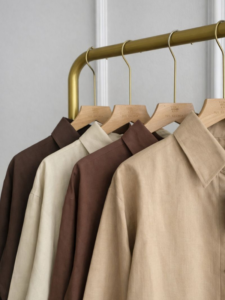
Padded and Wood: Use wide wooden or padded hangers for structured items like blazers, coats, dresses, and blouses. This supports the garment’s intended shoulder line and prevents creasing.
Fold Heavy Items: Always fold bulky sweaters, heavy knitwear, and thick denim. Their weight will cause them to stretch permanently if hung.
13. The Anti-Pill Patrol: Revive Your Knits
Pilling (those small, fuzzy balls) is normal for friction-prone fabrics, but it doesn’t mean the item is ruined!
The Fabric Shaver: An electric fabric shaver (de-piller) is an inexpensive tool that safely removes pills without damaging the knit structure, instantly reviving the look and feel of sweaters and coats.
Quick Alternative: Use a clean razor blade or a fine-toothed sweater comb gently on a flat surface to remove pilling.
14. Mend Now, Not Later: Proactive Repair
Small damage becomes large, unfixable damage in the washing machine.
Instant Action: As soon as a button comes loose, a hem frays, or a small seam tears, fix it. Taking five minutes to stitch a button back on prevents the garment from snagging and tearing into a write-off during the next wash cycle.
Ironing Strategy: Ironing and steaming should be done only when necessary, as heat stresses fibers. Always iron on the lowest appropriate setting (check the care label!) and use a pressing cloth for delicate fabrics.
15. Store Only Clean Clothes
Never put dirty or damp clothes back into your closet.
Why it Matters: Stains not visible to the naked eye can oxidize and set permanently over time. Damp clothes create a perfect breeding ground for mold and mildew, damaging the fabric and spreading odors to surrounding items. Always ensure everything is fully dry and clean before putting it away.
🌟 Your Sustainable Wardrobe Challenge
The fashion industry produces a staggering amount of textile waste. By committing to this Longevity Laundry List, you are doing more than just saving money; you are actively engaging in the slow fashion movement.
You are choosing to be a conscious consumer who respects the resources, time, and craftsmanship that went into every garment.
The formula for sustainable style is clear: Buy less, choose better quality, and dedicate time to care for what you have.
Start with one small change today—like committing to cold water washes and air-drying your sweaters—and watch as your entire wardrobe remains beautiful, vibrant, and ready to wear for years to come.
Which rule from the Longevity Laundry List will you implement in your next laundry cycle? Share your new smart habit in the comments below!